Oil Change Frequency in Ottawa: What You Need to Know
A practical guide to deciding how often to change your oil in Ottawa, covering how local climate, driving habits, and oil types affect intervals, how to read your owner’s manual and onboard indicators, signs of overdue service, and what to expect when you bring your vehicle to a trusted local shop.
Why regular oil changes matter
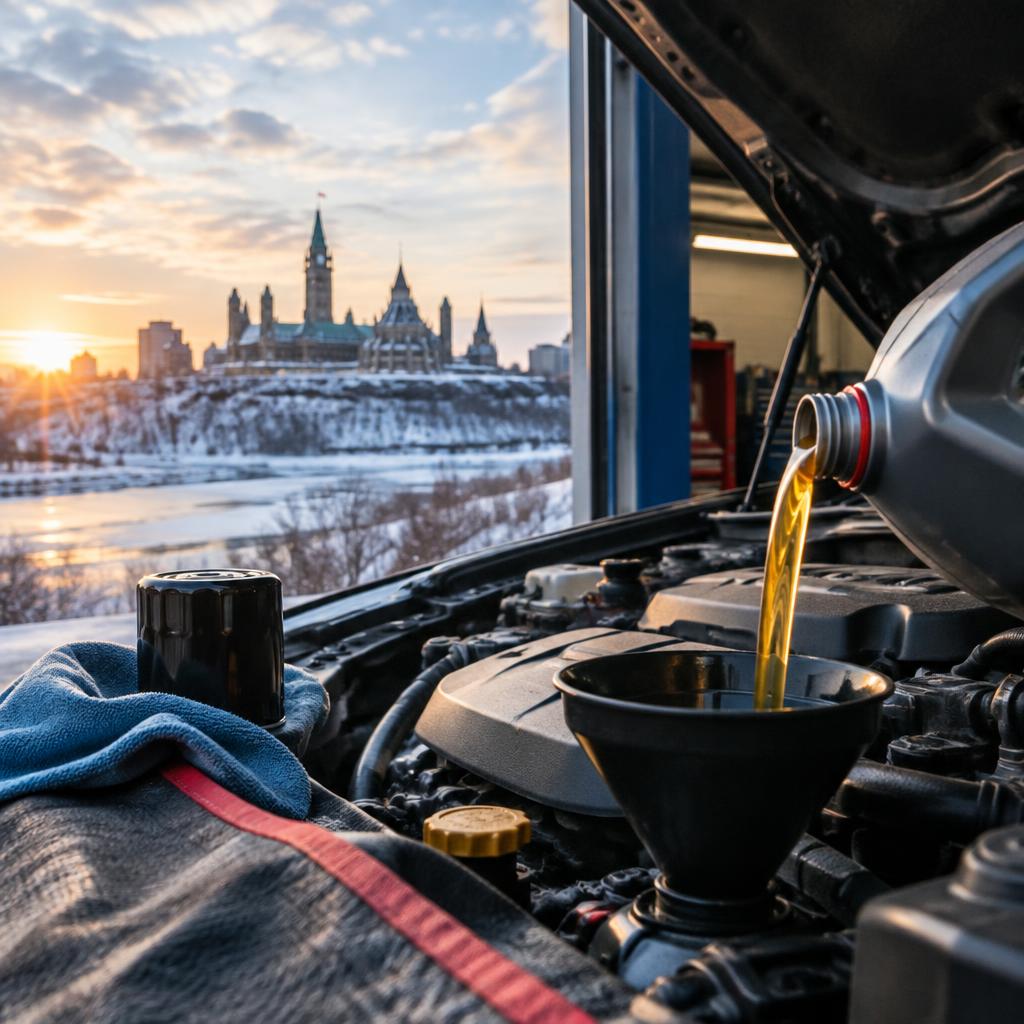
Engine oil lubricates moving parts, helps control temperature, and carries away contaminants. Over time oil becomes contaminated and loses viscosity, which reduces its ability to protect the engine. Regular oil changes maintain performance, reduce wear, and help prevent more costly repairs down the road. Deciding the interval is not one-size-fits-all; it depends on your vehicle, the oil type used, and driving conditions.
How Ottawa’s climate influences oil change needs
Ottawa’s cold winters and seasonal temperature swings can affect oil performance. Repeated short trips in cold weather may prevent the engine from reaching optimal operating temperature, promoting condensation and fuel dilution in the oil. Very cold starts also place additional stress on components until oil fully circulates. Because of these factors, drivers who frequently make short, cold-weather trips should consider more frequent oil checks and consult their owner’s manual or a technician about appropriate intervals.
City driving versus highway driving: different demands
Driving style matters. Stop‑and‑go city driving, heavy idling, towing, or carrying frequent heavy loads create more contaminants and thermal cycling than steady highway cruising. Highway driving at steady speeds tends to be gentler on oil and the engine. If most of your kilometres are short urban trips or you frequently tow, plan on closer monitoring of oil condition and level, and discuss adjusted change intervals with your mechanic.
Synthetic vs. conventional oil: what it means for intervals
Synthetic oils are formulated to resist breakdown at high and low temperatures and generally maintain performance longer than conventional oils. That can mean longer intervals between changes, but the precise interval depends on your vehicle manufacturer’s recommendation and the particular oil. Always follow the owner’s manual or the oil life monitoring system rather than assuming longer intervals without confirming compatibility with your engine.
How to determine the right interval for your vehicle
Start with the owner’s manual: manufacturers provide interval recommendations tailored to each engine and oil type. Many modern vehicles also include an oil life or maintenance reminder system—use that as a primary guide. If you drive under severe conditions (frequent short trips, extreme temperatures, towing, dusty roads), choose the “severe” or maintenance‑intensive schedule. When in doubt, ask a qualified technician to inspect the oil and advise a conservative interval that reflects your driving patterns.
Warning signs that your car is overdue for an oil change
Watch for common indicators that an oil change is needed: dashboard oil pressure or check‑engine warnings, notably low oil level on the dipstick, oil that appears very dark or gritty, unusual engine noise or knocking, a noticeable drop in fuel efficiency, or an acrid smell from the engine bay. Any of these signs merit prompt inspection by a professional rather than further delay.
Bringing your car to a local shop: what to expect
When you bring a vehicle for service at a local Ottawa shop such as Top Auto Mechanic (50 Slack Rd), expect the technician to check oil level and condition, confirm the recommended oil type, replace the filter, and document the service. Local customers often note fast, accommodating service and clear explanations from staff, and shops experienced with Ottawa driving conditions can advise on an appropriate maintenance schedule for winter and summer. If an unexpected issue is found during an oil change, a reputable shop will explain options before proceeding.
Practical checklist and next steps
Practical steps: consult your owner’s manual for manufacturer recommendations; check oil level monthly; keep service records; ask which oil type was used and request a written invoice; have a technician inspect oil condition if your driving tends toward short trips or severe conditions. If you need immediate service or guidance, choose a shop with diagnostic capability and good local reviews for responsiveness and clear communication. Regular monitoring and following manufacturer guidance will keep your engine protected and help you avoid unexpected repairs.
Article by
Redline Mechanic
At Top Auto Mechanic in Ottawa, we provide honest, reliable, and professional auto repair services in Ottawa. Located at 50 Slack Rd, Ottawa, ON K2G 0E2 our expert mechanics handle everything from routine maintenance and diagnostics to brakes, engines, suspension, and electrical repairs. We’re dedicated to quality workmanship, fair pricing, and keeping you safe on the road. Trusted by local drivers, Ottawa Mechanic Center is your go-to destination for dependable auto care.